Going on a solo ski holiday is becoming increasingly popular for those who want to experience the slopes but may not have anyone to go with. This type of holiday offers skiers the freedom to travel on their own terms, set their own pace, and fully immerse themselves in the wonderful experience the mountains and slopes have to offer.
Whether you are carving fresh tracks in the snow at sunrise or enjoying a quiet coffee or drink between runs, skiing solo can feel empowering. However, when you are skiing alone, solo ski safety becomes even more important, as you are relying on your own preparation, judgement, and awareness.
A safe and enjoyable solo ski trip comes down to three simple things: confidence, having the right kit, and following good on-mountain etiquette. So, building your skills and mindset will help you ski with control, the right equipment ensures you’re ready for conditions, and knowing the mountain rules helps keep you and everyone safe on the slopes.
In this guide, we have looked at how to stay safe and other tips to ensure you have a great time.
Solo Ski Safety: Why it matters
When skiing with other people, you will usually be in a group, so if you fall, get tired, or feel unsure about a run, there will always be someone to help. However, skiing solo can offer you independence, but it also means you need to be more mindful of ski holiday safety advice.
Understanding the importance of ski safety will significantly reduce risks while still allowing you to enjoy the freedom of skiing alone, making it a safe and enjoyable experience.
There are many benefits of skiing solo, including the flexibility to plan your day exactly as you want, with no pressure, building your confidence, and the opportunity to focus on your skills. However, you also need to make sure you are following the mountain safety guidelines, as making quick decisions, getting fatigued, or becoming overconfident can increase your risk of injury. However, with the right mindset and planning, staying safe when skiing alone becomes second nature, allowing you to enjoy every run with confidence.
READ MORE: Vaujany: the highlights of solo skiing in the Alpe d’Huez
Building confidence on the slopes
Lessons & fitness
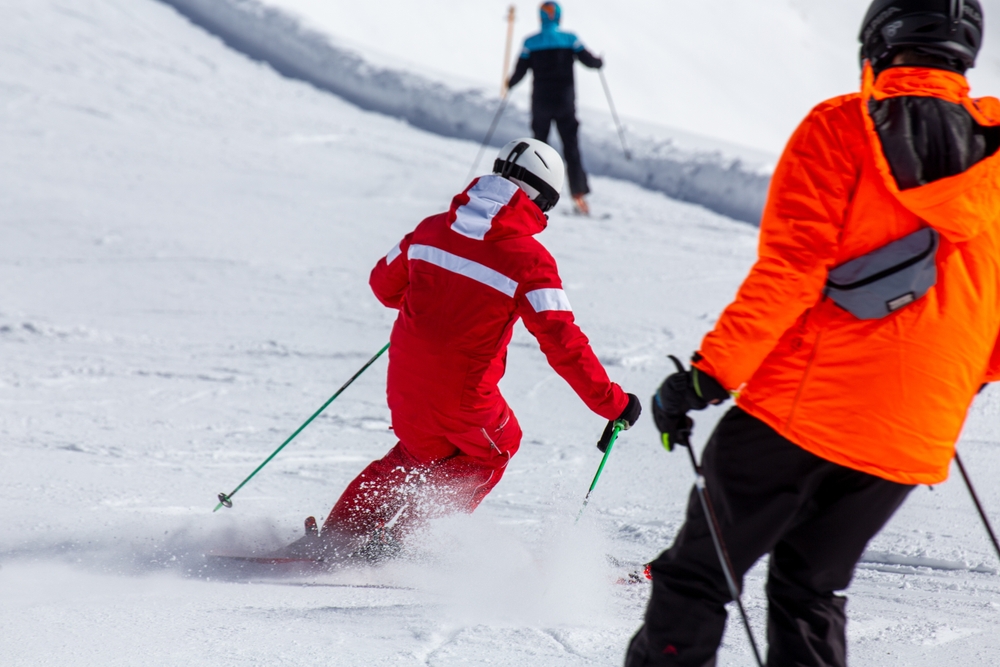
In ski lessons, solo skiing confidence tips are shared by professional instructors. Even if you consider yourself experienced, professional instruction can help you to refine your technique and help you with your confidence. This is also a great way to familiarise yourself with local ski resort safety rules.
Off the slopes and even before you go, you should look at maintaining your fitness to improve endurance and reduce injury risk. Strengthening your legs, core, and cardiovascular fitness makes long ski days more enjoyable and safer.
Know your limits
It is essential to know your limits when skiing alone, as you should never get ahead of yourself, and stick to runs that match your skill level. Additionally, you should take breaks when needed and avoid pushing yourself just to keep up appearances, as there is no one to impress when skiing solo.
Positive mindset
Having a positive, calm mindset is key to skiing alone, so you should avoid comparing yourself to others on the mountain and focus instead on steady progress, enjoyment, and taking your time. Your confidence will grow naturally when you ski within your comfort zone and celebrate small wins.
READ MORE: Les Deux Alpes: A Solo Ski Adventure in the Heart of the French Alps
Essential kit for solo skiers
Like any sports-related holiday, having the right equipment is a core part of ensuring you have a good time, and can make all the difference to comfort and safety.
Layered clothing
It goes without saying that layering is essential for temperature control and flexibility. The basics would be to make sure you have a moisture-wicking base layer, an insulating mid-layer, and a waterproof outer layer. These essentials will help you adapt to changing mountain conditions while staying comfortable, but you should always check how you feel and add layers if you get cold.
Helmet and goggles
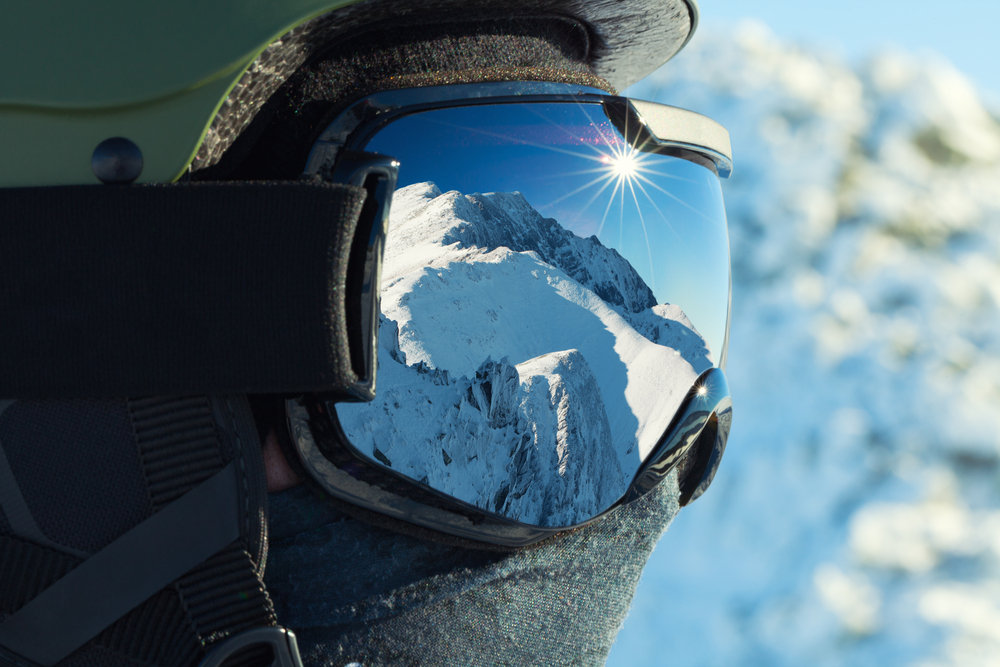
A Helmet is an essential piece of kit for solo ski safety, as it will provide vital protection in the unfortunate event of a fall. Additionally, making sure you have quality goggles will improve visibility in snow, fog, and bright sunshine, reducing eye strain and improving reaction times.
Communication devices
Making sure you have a fully charged phone is essential when skiing solo; keep local ski patrol numbers on hand in case of an emergency.
Sun protection
Even on cloudy days, UV exposure at altitude can be substantial. So, make sure you apply sunscreen, SPF lip balm, and wear polarised eyewear; they are essential items on any ski gear checklist for solo skiers.
READ MORE: Frequently asked questions about singles ski holidays
Equipment check
Whether you are renting or bringing your own equipment, you need to ensure your skis, boots, and bindings are correctly fitted and serviced. Reliable gear plays a crucial role in ski safety tips for beginners and experienced solo skiers alike.
Mountain etiquette & safety rules
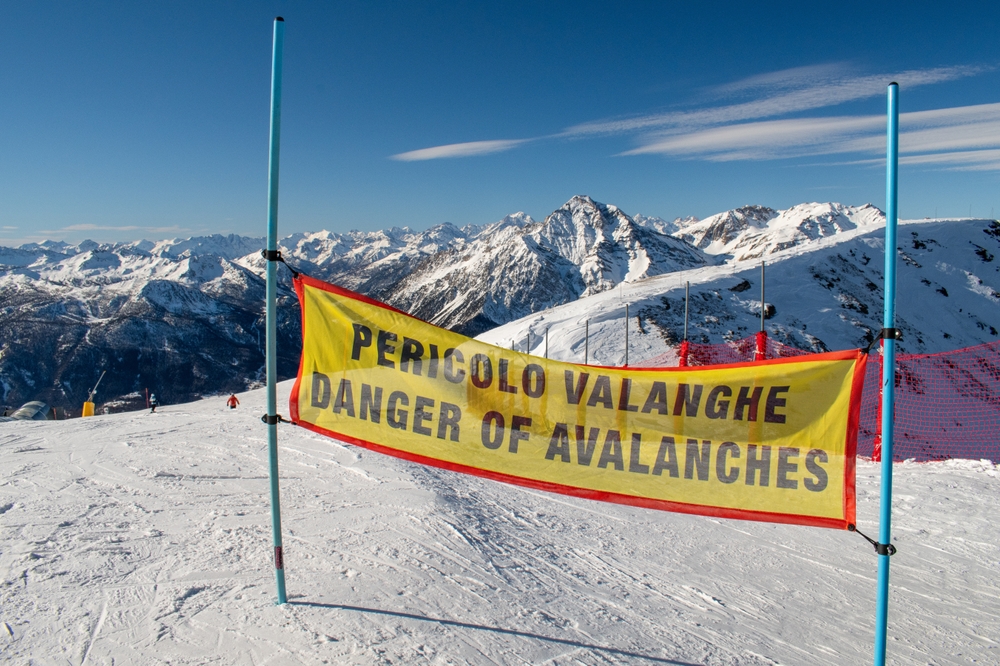
Understanding skiing etiquette on the slopes is essential, as it helps prevent accidents and keeps the mountain a safe and enjoyable place for everyone. General etiquette includes:
- You should always stay in control and adjust speed to conditions.
- Make sure you yield to uphill skiers when merging or starting.
- Try to avoid stopping in bottlenecks or blind spots.
- Look uphill before setting off or crossing a run.
- Make sure you respect closed trails and restricted areas.
- Wear bright colours to improve visibility in poor conditions.
Consider a ski trip for your next solo holiday
There is no doubt that skiing solo can be one of the most rewarding ways to experience the mountains, offering freedom and a chance to really focus on yourself.
By prioritising safety, having the right kit, and respecting ski resort safety rules, you will set yourself up for a smooth and enjoyable trip that will be one to remember.
Ready to hit the slopes? Take a look at our solo ski holidays and enjoy a safe, fun-filled adventure. You can also check out our blog for more guides.
Frequently Asked Questions about solo ski holiday safety
Is it safe to ski alone?
Yes, with proper preparation, awareness, and adherence to solo ski safety and mountain safety guidelines, skiing alone can be both safe and enjoyable.
What gear do I need for solo skiing?
A helmet, layered clothing, communication devices, sun protection, and reliable equipment are all part of a strong ski gear checklist for solo skiers.
How can I build confidence skiing by myself?
Lessons, skiing within your limits, and maintaining a positive mindset are essential solo skiing confidence tips.
What are the most essential ski etiquette rules?
Understanding skiing etiquette on the slopes, yielding appropriately, staying in control, and respecting closures are key.
Should I take lessons before a solo ski trip?
Yes, lessons teach you how to ski safely alone and help refresh technique and confidence before heading out solo.